SteamOS 3.10 Preview Shows Valve’s Bigger PC Ambitions
Valve’s latest SteamOS preview brings graphics and display changes, but remains a testing build rather than a stable upgrade.
 By Lisa Pu
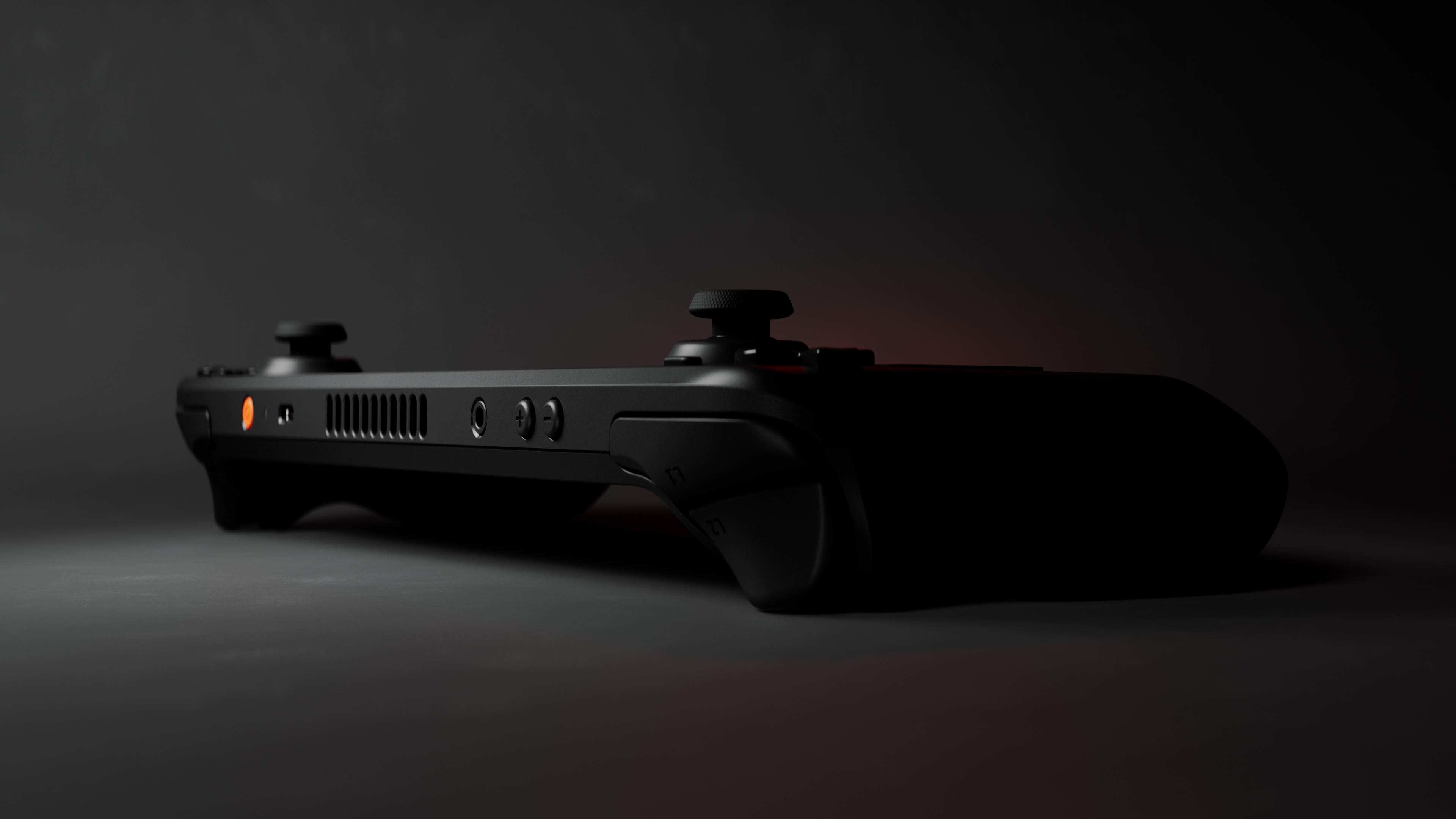
Valve has released SteamOS 3.10.1 Preview, continuing work on the operating system behind Steam Deck and its wider gaming-hardware ambitions. The update fixes two regressions from the earlier 3.10 preview: launch failures affecting titles such as Forza Horizon, and an invalid-signal problem on some displays.
The broader 3.10 changes include a newer desktop environment, Bluetooth-audio fixes and improvements involving variable refresh rate. Valve also lists expanded AMD display support and NVIDIA graphics improvements, including mesh shaders on Turing and newer hardware. This is still a Preview-channel release, with Valve explicitly warning that bugs and stability problems may remain.
A handheld is only one part of the story
Steam Deck makes a gaming PC feel more like a dedicated handheld, but SteamOS has to do more than provide a library screen. It manages graphics, audio, controllers, displays and the transition between a game-focused interface and a conventional desktop.
That is why apparently unglamorous update notes matter. A Bluetooth headset disconnecting when modes change can interrupt an otherwise simple routine. A display failing to accept a signal can make a living-room setup frustrating before a game even starts. Fixing those seams is part of making PC gaming feel less like system maintenance.
The graphics work also points beyond one handheld configuration. Different hardware brings different expectations, and support cannot be inferred from a single feature appearing in a changelog. An improvement for a particular GPU family does not mean every computer is suddenly supported in exactly the same way.
Preview software has a specific audience
For someone interested in testing the direction of SteamOS, the Preview channel provides an early look. For someone who wants a reliable device for a flight or a weekend away, the distinction between preview and stable software matters more than having the newest version number.
The fact that 3.10.1 repairs regressions from the earlier preview illustrates the process. New capabilities and new problems can arrive together. Testing is useful, but it should be a deliberate choice, with an understanding that a favorite game or display setup may behave differently.
Valve’s latest release is therefore a progress report rather than a reason for every Steam Deck owner to change channels immediately. Its significance lies in the ongoing work required to make a flexible PC platform feel coherent. The more places SteamOS is expected to work, the more these details become part of the product itself.