DJI Osmo Pocket 4 Gives Solo Creators More Room to Move
DJI’s new pocket gimbal camera combines a 1-inch sensor, advanced tracking and 4K slow motion in a compact filming tool.
 By Lisa Pu
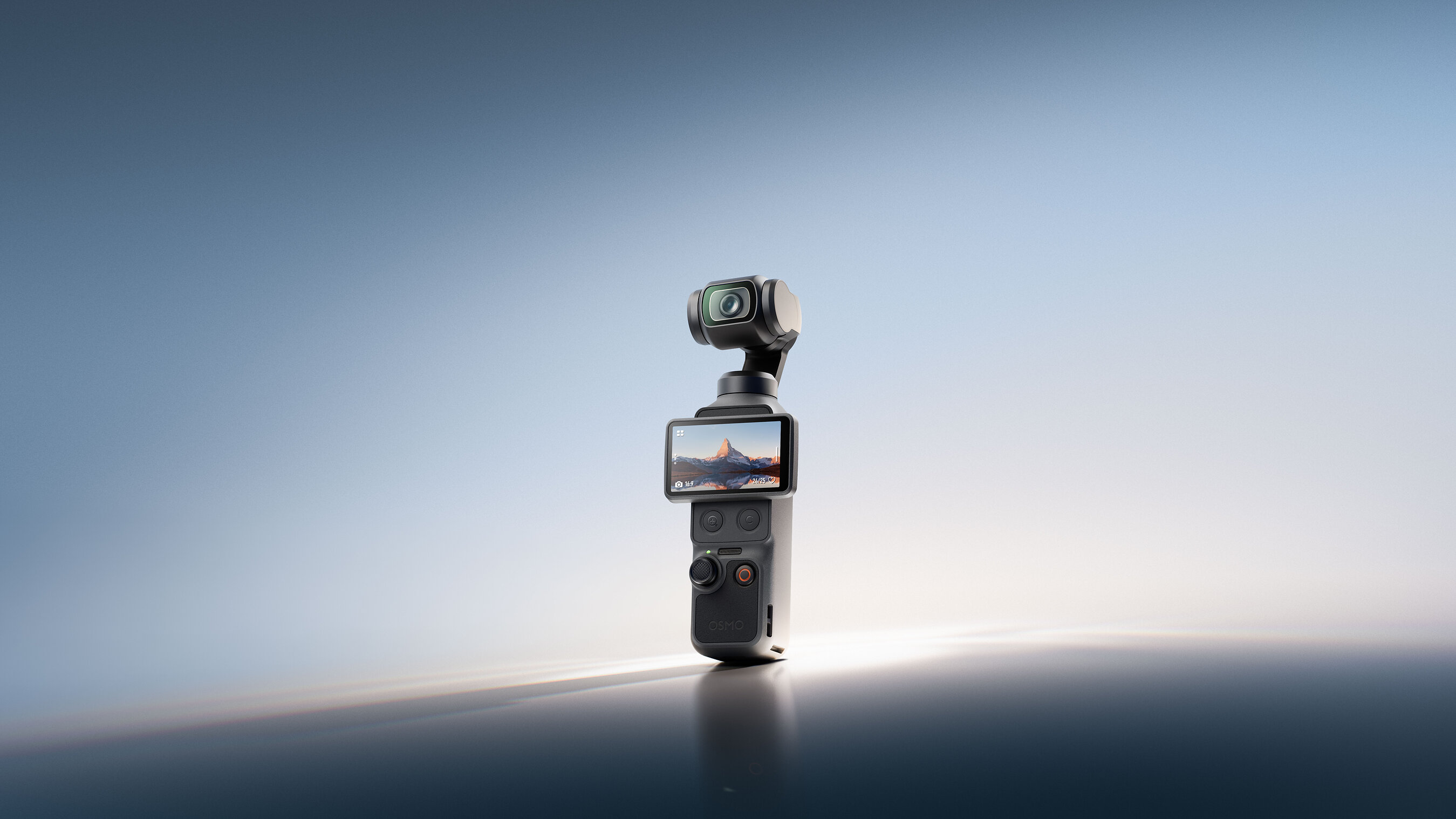
DJI has announced Osmo Pocket 4, the latest version of its compact gimbal camera, with an emphasis on better imaging and more capable subject tracking. For creators working without a camera operator, the central appeal is straightforward: a small device that can stabilize movement while helping keep a subject in frame.
The announced hardware includes a 1-inch CMOS sensor and an f/2.0 aperture. DJI lists 4K recording at up to 240 frames per second, 10-bit D-Log and up to 14 stops of dynamic range under its specified conditions. Three-axis stabilization is joined by ActiveTrack 7.0, subject-lock tools, gesture controls and 107GB of built-in storage.
A camera for the moving part of a shoot
A pocket gimbal is particularly interesting when the camera needs to move through a space. Following someone into a room, recording a walk-through or making a short introduction while walking asks more of a setup than a static shot does.
The advantage is not simply making everything smooth. It is reducing the number of separate things one person has to manage at once. Framing, focus, movement and performance compete for attention. Tracking and stabilization can help with parts of that workload, although they do not remove the need to watch what is actually being recorded.
For fashion and event creators, that makes the Pocket 4 worth considering as a specific tool within a kit. It could serve a different purpose from a phone used for quick social posts or a larger camera reserved for controlled scenes. The useful question is which shots become easier, not whether one device can replace every other camera.
Slow motion creates choices—and work
A high frame-rate mode gives an editor more ways to stretch a brief movement. Fabric turning, a hand reaching for a bag or a person stepping through a doorway can gain emphasis when slowed down. But slow motion is a stylistic choice, not an automatic improvement.
Light, exposure and the pace of the final edit still matter. Likewise, a log recording profile offers flexibility for color work while adding another decision to the editing process. Creators who need a quick turnaround may prefer a simpler capture workflow for some jobs.
DJI’s launch claims describe what the camera is designed to support, rather than results from our own testing. The Pocket 4’s strongest proposition is the combination of movement and portability. It gives a solo creator more control over a familiar problem: getting a usable shot while also being the person responsible for everything else.