GTA VI Is Bringing Vice City Back
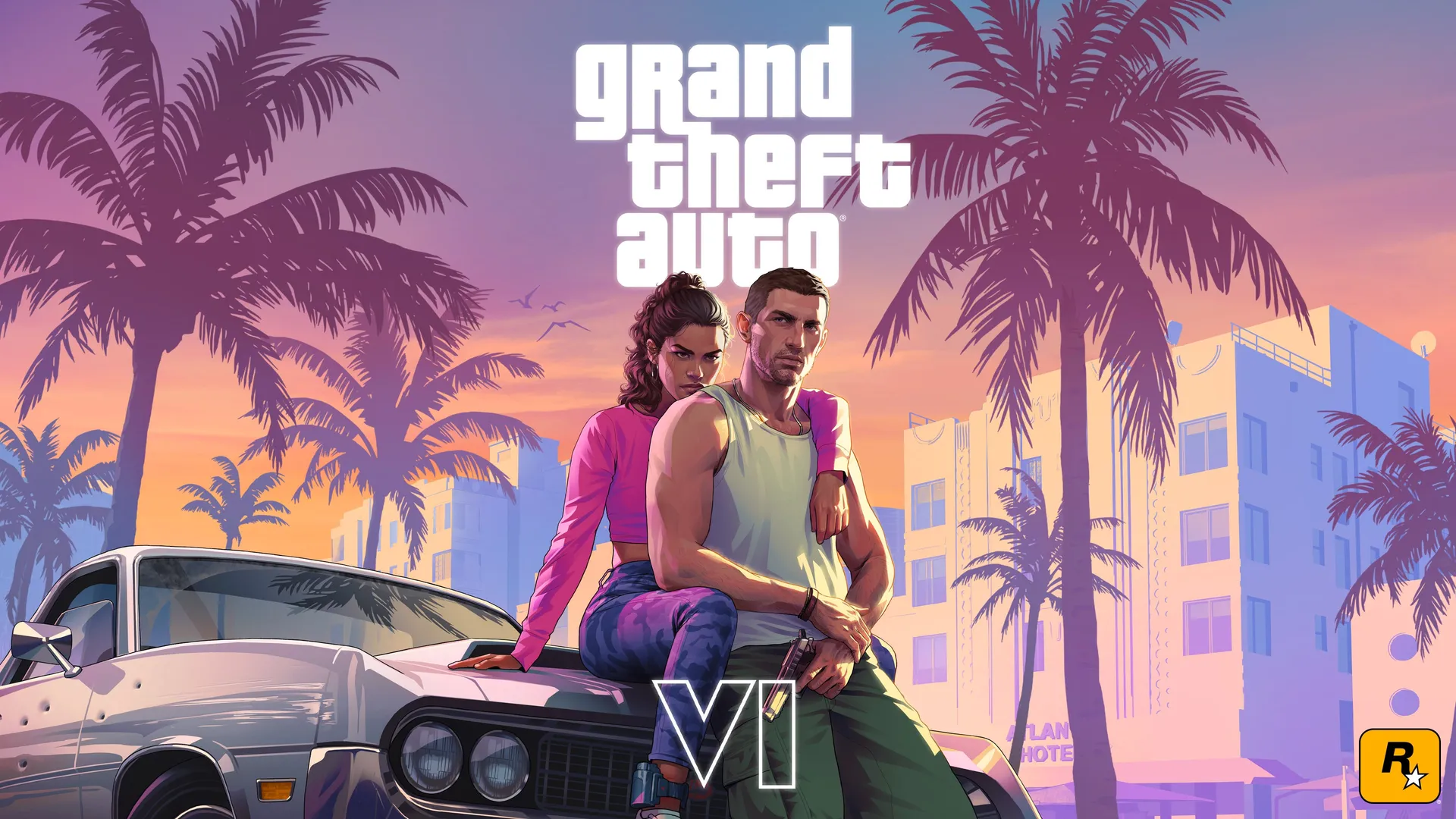
Miami is about to have another version of itself to argue about. Grand Theft Auto VI is scheduled to arrive on November 19, 2026, with Rockstar returning players to Vice City and the wider fictional state of Leonida. The announced platforms are PlayStation 5 and Xbox Series X|S.
For players elsewhere, that means a new world to explore. For people who live here, it also invites a particular kind of scrutiny: the instinct to pause, point at the screen, and decide whether a place feels familiar.
Rockstar’s official premise follows Jason and Lucia through a criminal conspiracy across Leonida. That establishes the story’s framework. It does not make the game a documentary about Miami, and judging it as a street-by-street replica would miss much of the fun.
The city beyond the postcard
Miami offers a visual vocabulary that travels well: waterfront towers, low-rise beach hotels, palms against bright skies, and streets whose character changes after sunset. A fictional city can rearrange those elements and still produce a flash of recognition.
The more interesting test is what happens between the landmarks. Does moving through the world create a sense of different neighborhoods? Do quiet stretches make the busier ones feel convincing? Does the setting have room for ordinary life alongside its spectacle?
Those are questions for the finished game, rather than conclusions to draw from promotional material. But they explain why the local response could be more interesting than a checklist of buildings that resemble real ones.
Recognizable does not mean identical
There is a temptation to turn every familiar-looking corner into a confirmed location match. It is worth resisting. A building can borrow from several references; a road can evoke a real route without following it. Fictional geography exists to serve the experience.
A better way to explore the connection is to compare moods and design choices. Look at how an oceanfront street is framed, how water separates districts, or how the skyline changes with distance. Those details can say more about the relationship between Vice City and Miami than whether a particular intersection lines up.
What to watch after release
The useful local conversation will begin when players can assess the complete work. Screenshots and route comparisons will be entertaining, but the bigger question is which version of the city sticks with people afterward.
Does Vice City register mainly as a place of excess, or does it develop a personality through smaller encounters and background details? Which parts feel recognizable to residents, and which seem designed for an outsider’s imagination?
Miami does not need a video game to supply its identity. Still, seeing a familiar place reassembled at this scale can change what people notice when they step outside. The most satisfying moment may be recognizing a feeling before recognizing a building.