Design Miami Puts Collectible Furniture at the Center of Art Week
Design Miami has completed its second edition at the Moore Building, bringing collectible furniture and design into the December art-week conversation. Public days ran December 8–10, and this year’s Designer of the Year recognition went to Marc Newson.
The building supplied a distinctive context. Zaha Hadid’s Elastika installation occupied the atrium while participating galleries presented furniture, objects and architectural elements around it. The arrangement made the relationship between the setting and the exhibits difficult to ignore: visitors encountered design as both the individual object and the space holding it.
One of the fair’s most concrete propositions came from Smart Deco, the presentation by Friedman Benda and Droog Design. The project assembled a contemporary period room using limited-edition work by ten European designers, architects and artists. Participants included Marcel Wanders, Joris Laarman and Atelier van Lieshout.
The familiar idea of a furnished room gave the project a structure. Within it, materials and methods became less familiar: a crocheted chair hardened with epoxy, furniture shaped from twigs and a bookshelf incorporating contemporary objects. The room invited viewers to consider how the objects of the present might look when treated with the attention usually given to a historical interior.
That question fits the fair’s wider purpose. A chair can be assessed for comfort, construction, rarity, authorship or its relationship to other objects. A design fair brings those different judgments together, asking a visitor to look at domestic things with the same sustained attention that an art fair gives a painting or sculpture.
Newson’s recognition provided a clear individual focus within that conversation. The award placed a designer’s body of work at the center of the event, while the gallery presentations demonstrated that collectible design is not confined to one material, period or approach. The fair could accommodate both a named career and experiments in what a room might contain.
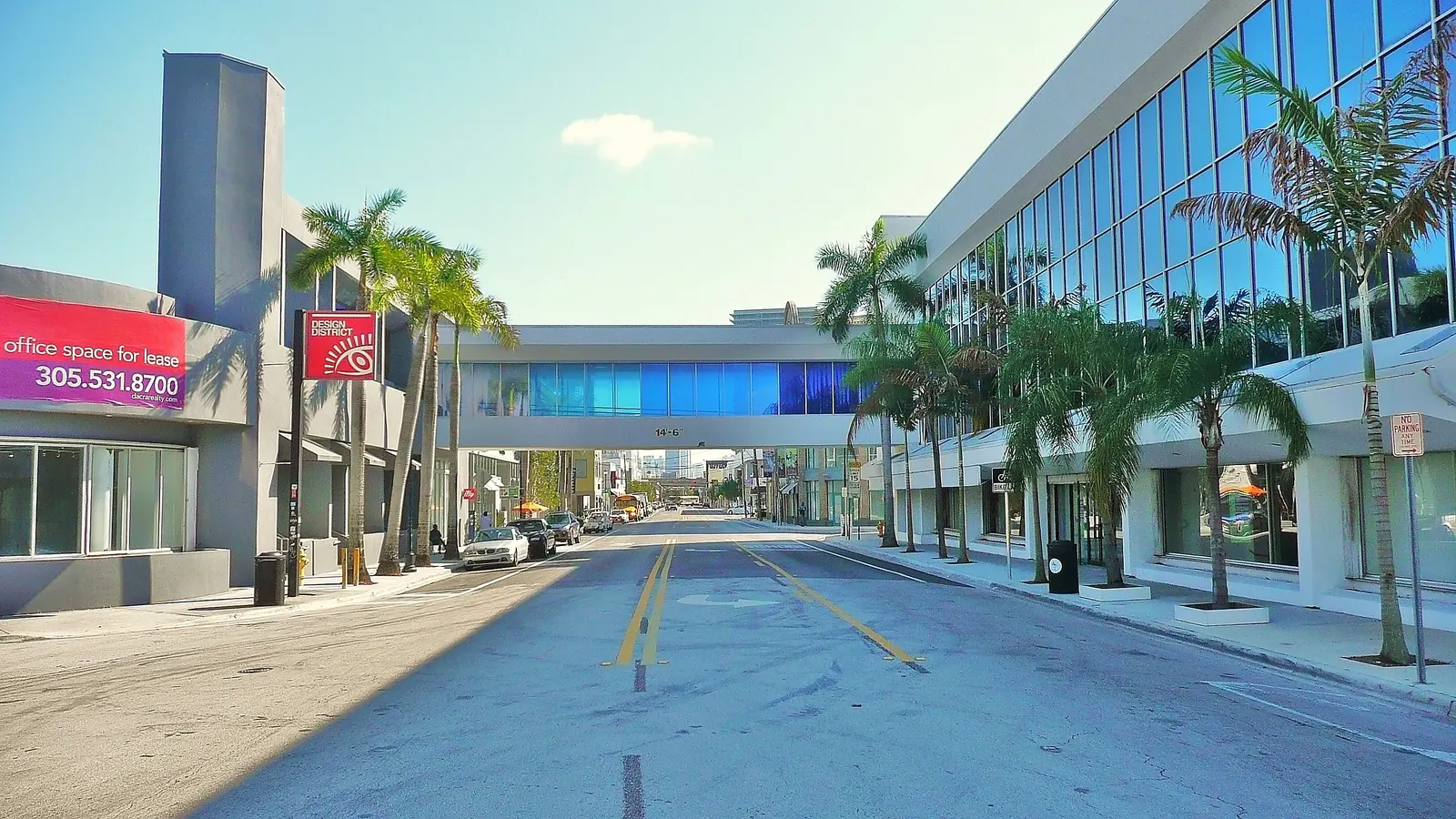
For Miami, the Moore Building also gave the week a destination on the mainland. The Design District’s contribution was specific: a place to see furniture and objects presented as cultural work, with a program distinct from the galleries across the bay.
The second edition leaves a useful proposition behind. Art week can include things made to be sat on, lived with or used, without reducing them to decoration. Design Miami’s strongest subject is the attention those objects deserve before they become part of someone’s room.